

Best & Worst Times to Visit Japan—by Season and by Crowds

Traveling to the Land of the Rising Sun has pretty much become my entire personality, so trust me when I say I’ve figured out the absolute best and worst times to visit Japan.
This post contains affiliate links, from which I receive a small commission at no additional cost to you. Thank you for your kind support!
No time to read? Pin these best times to visit Japan for later!
Best & Worst Times to Visit Japan—By Season and by Crowds
Your feed is probably filled with ramen pics and temple selfies, and you’re itching to tick this destination of your bucket list. But first, you need to figure out when to visit Japan—duh!
Now everyone has their own version of a “perfect” Japan trip.
I love chasing cherry blossoms and golden autumn leaves. And while you’ll never catch me sweating buckets in the sweltering heat of an Asian summer, you might enjoy matsuri festivals with fireworks in a yukata.
To make planning easier, I’ve broken down the seasons and crowd levels, so you can go at the right time for your kind of adventure.
Peak Seasons for Popular Experiences
1. Cherry Blossoms in Spring
This, in my very honest opinion, is the best season to visit Japan.

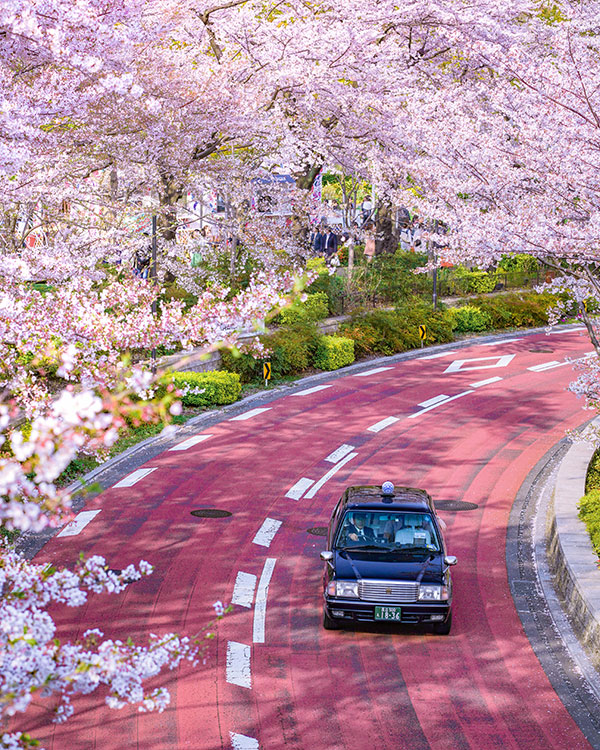
Petals drift like snow and streets transform into a sea of pink.
It’s a photographer’s dream and a must for anyone chasing that quintessential Japan experience. Despite this being the most expensive and busiest time to visit Japan, seeing sakura in full bloom truly makes it all worth it.
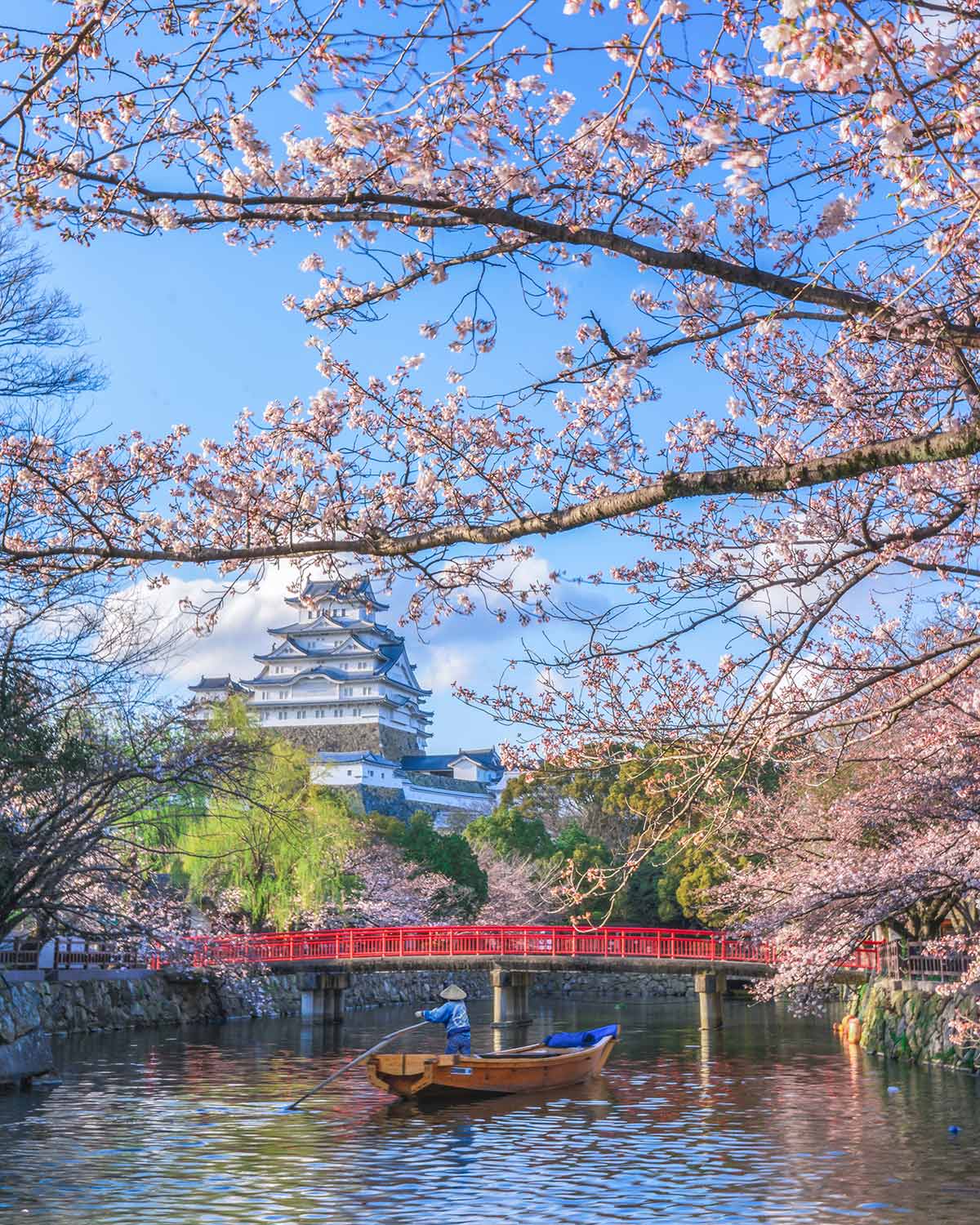
Do keep in mind that weather can be difficult to predict. That said, cherry blossoms can sometimes bloom earlier or later than expected.
The southern island of Okinawa sees pinks as early as mid-January. Here, the Kanhizakura trees can remain in bloom for up to a month.
Kawazu trees are another species that bloom at the beginning of the year. The Kawazu Cherry Blossom Festival is held annually in Kawazu, with peak viewing time generally lasting about a week from late February to early March.
Somei Yoshino are more prevalent in the Kanto (Tokyo) and Kansai (Kyoto, Osaka, Nara) regions. These typically bloom from late March to early April. They have an extremely short flowering period, and wind or rain can cause them to fall prematurely.
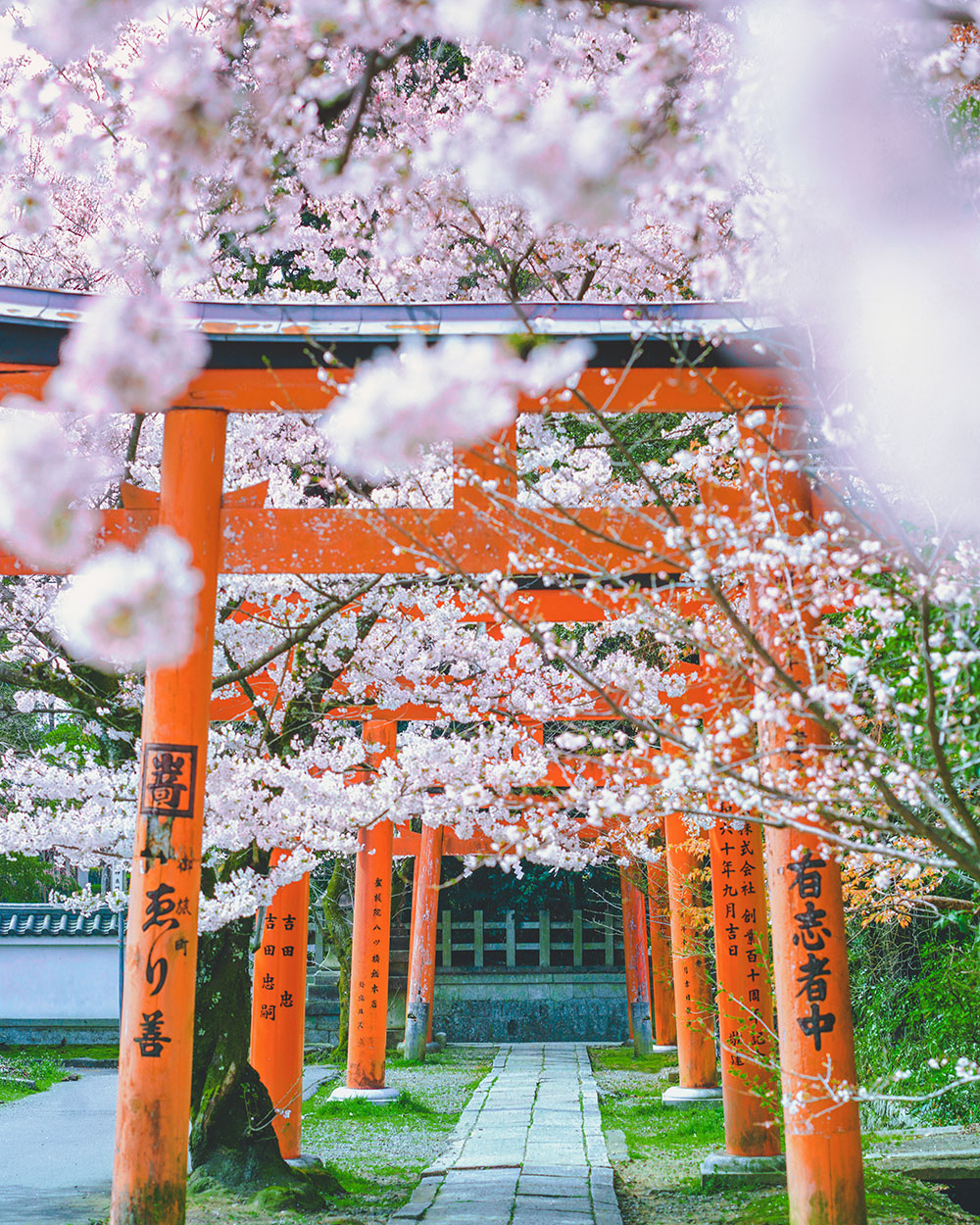
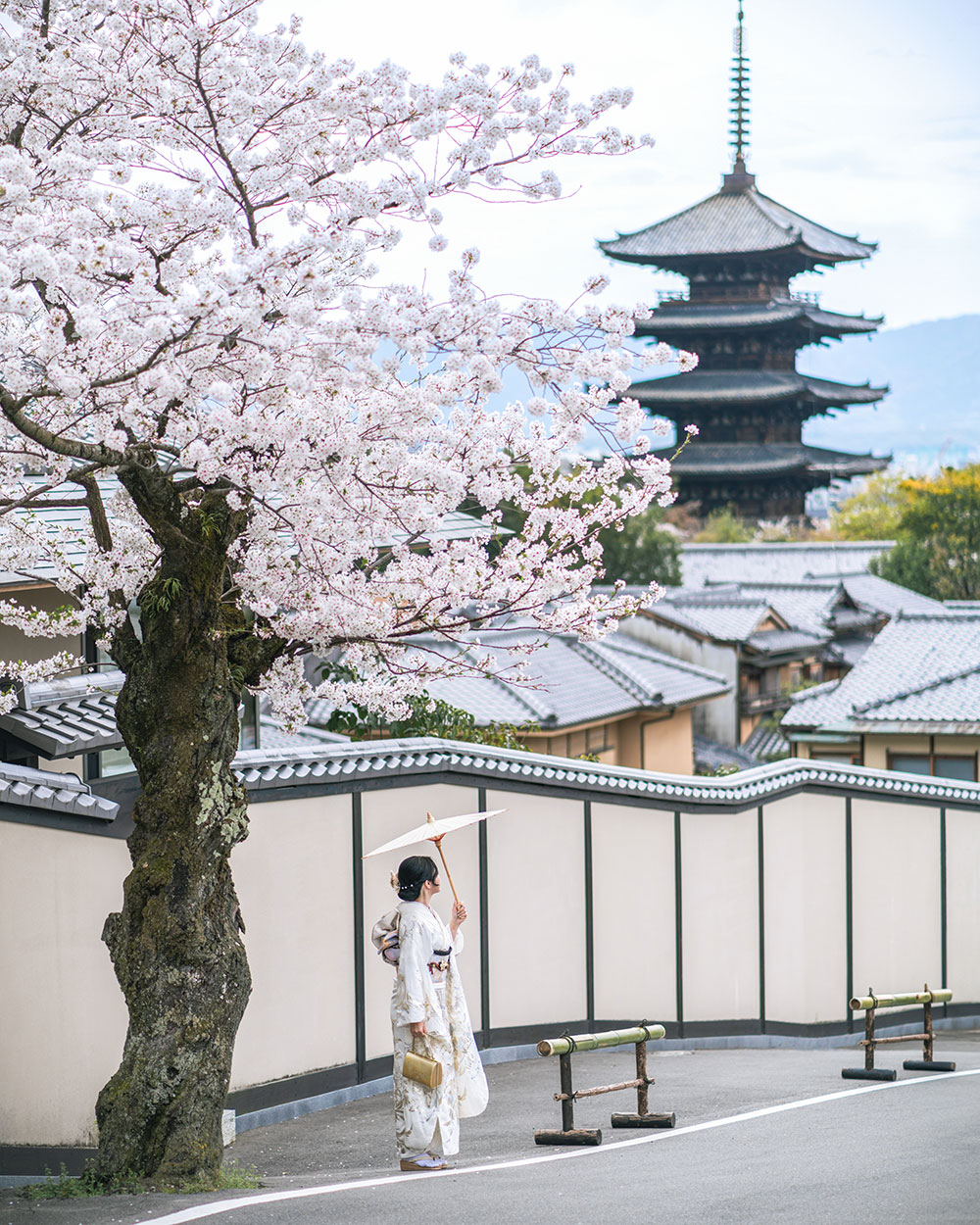
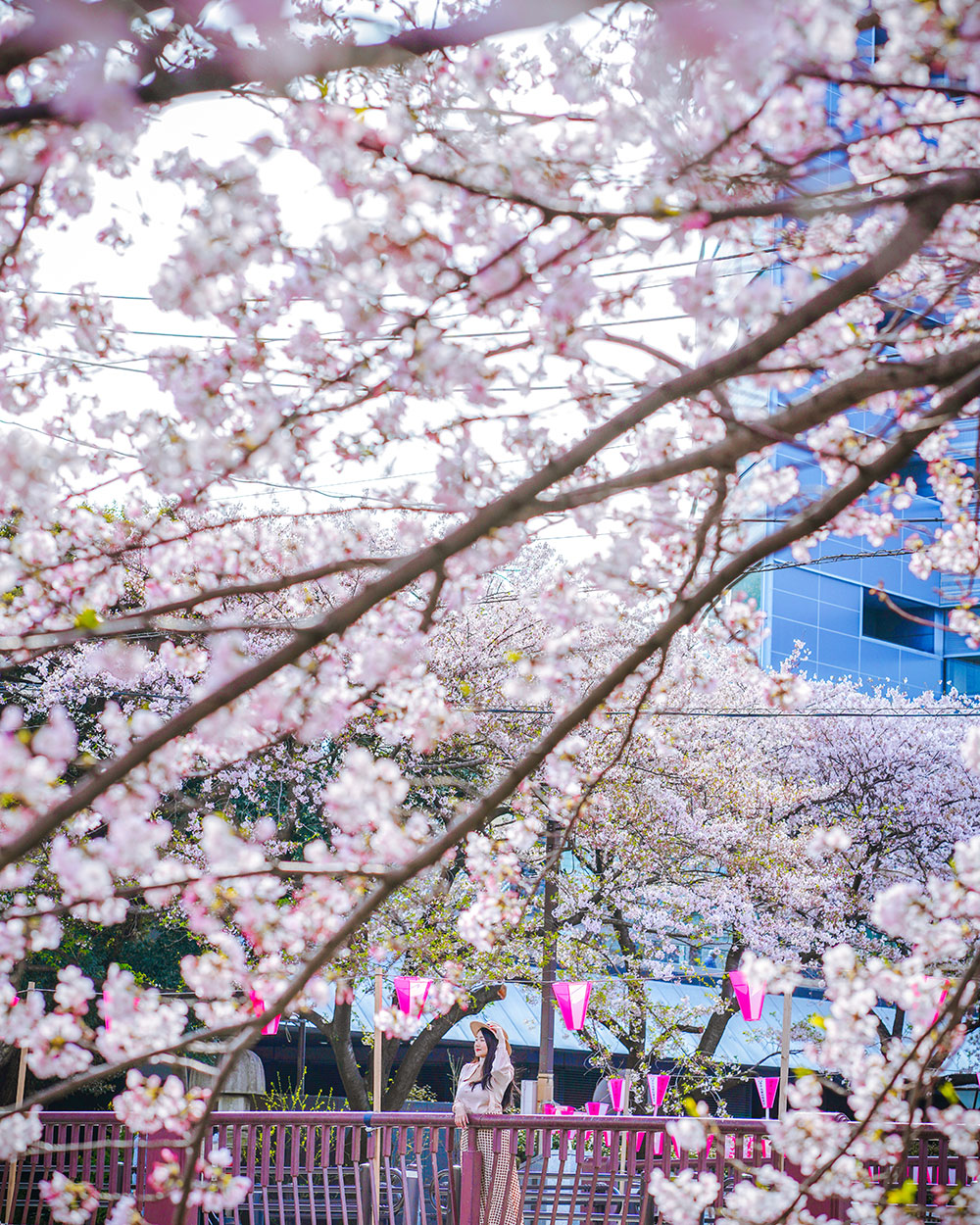
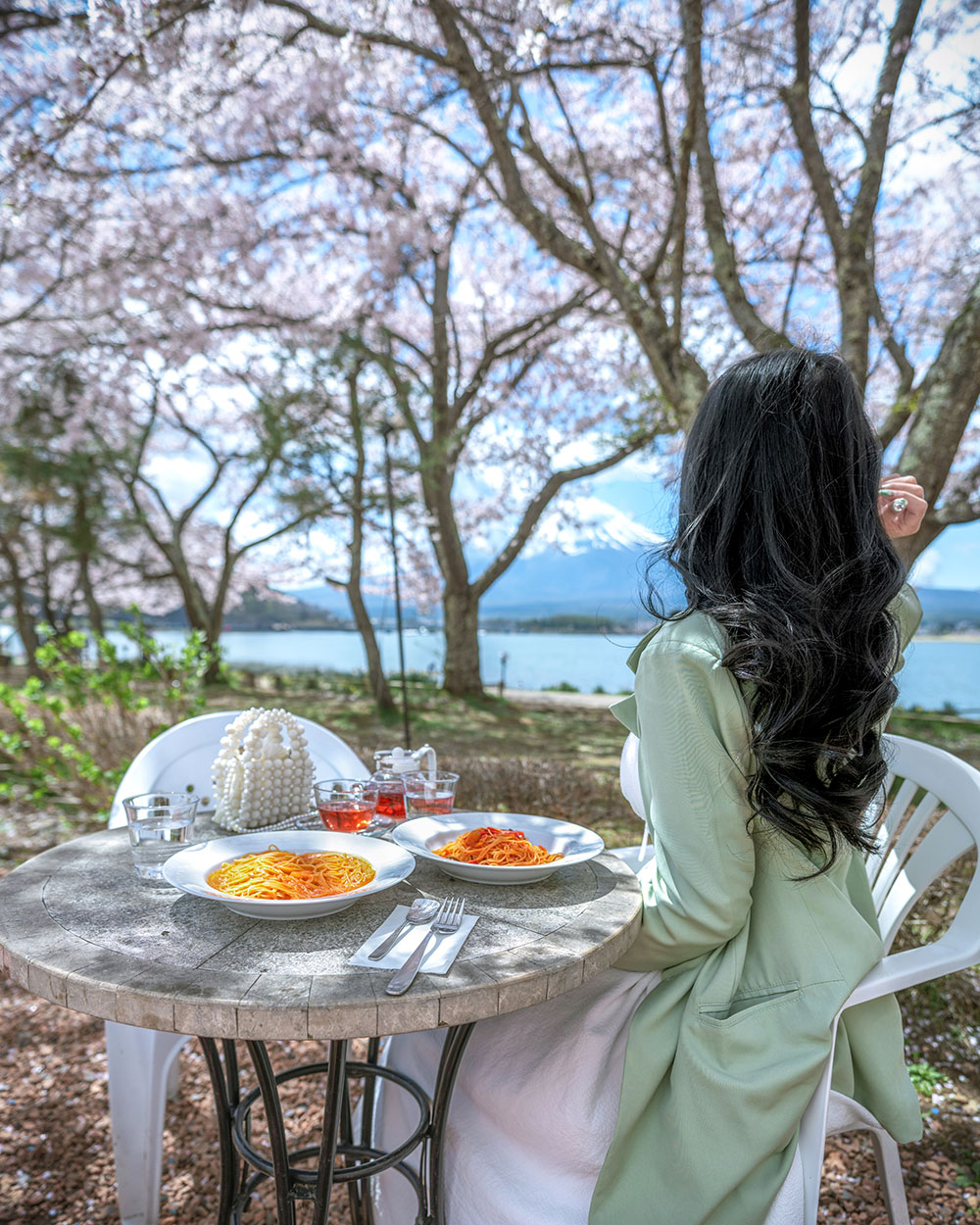
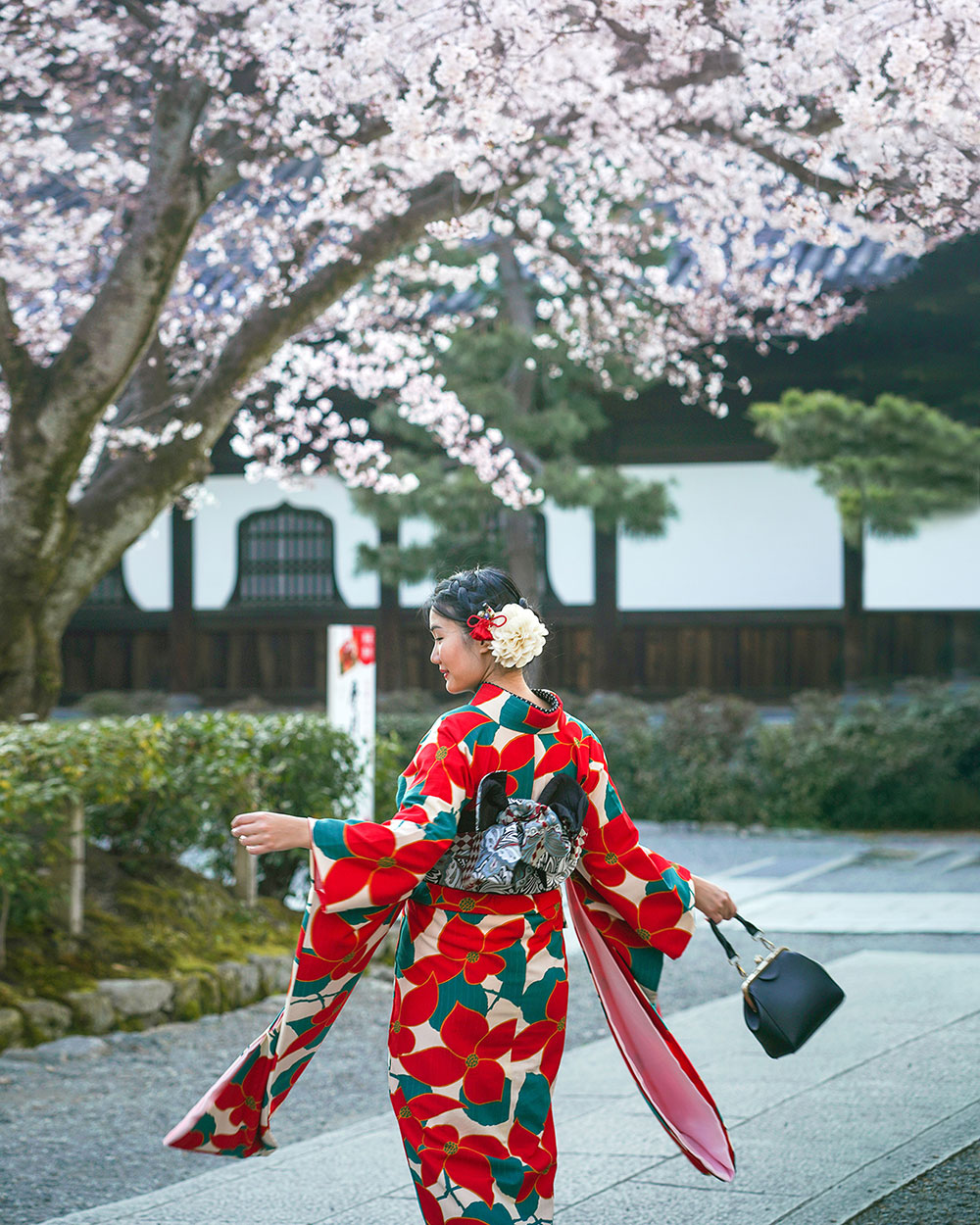
Further north in the Tohoku region, Somei Yoshino blossoms arrive later, with the Hirosaki Cherry Blossom Festival taking place from April 23rd to May 5th.
Last but not least, Hokkaido is the final region to welcome spring, from late April to early May. (Even though Somei Yoshino can also be found here, it’s the deep pink hues of Ezo-Yamazakura that Hokkaido is known for.)
For reference, here’s roughly when and where I’ve seen peak bloom in the past…
- 2019
- April 3rd – Kyoto
- April 7th – Mt. Fuji
- April 8th – Tokyo
- I visited Yoshino on April 1st, and the trees hadn’t started to bud yet. (I later learned that trees in this area usually bloom about five days after Kyoto/Osaka.)
- 2024
- April 4th – Osaka
- April 5th – Himeji
- April 9th – Kyoto
- April 14th – Mt. Fuji
- I went to Tokyo immediately after Kyoto, and the flowers were already gone due to rain. 2024 was a bit cooler as well, which is why sakura season was pushed back.
Tip: Check Japan Meteorological Corporation for forecasts.
💡 Plan Your Japan Trip 💡
2. Fall Foliage
Autumn is another good time to visit Japan. In fact, it’s probably my second favorite season.
The weather is pleasant, and I love the feeling of crisp air on my skin as I stroll through streets lined with fiery red maples and golden ginkgo trees.

Fall begins around the end of September up in Hokkaido. Daisetsuzan National Park is among the first to reach peak colors, as the foliage gradually shift from east to west, with Sapporo reaching its peak in early November.
In Tohoku, colors peak from mid-October to mid-November.
As for Kanto (Tokyo), Kansai (Kyoto, Osaka, Nara), and further down south in Kyushu, you can expect the season to peak between late November to early December.
3. Summer Festivals & Climbing Mt. Fuji
July and August are the best months to travel to Japan if you want to attend a traditional matsuri and watch dazzling fireworks light up the night sky.
This is also when you can wear a yukata, a light, unlined cotton kimono, and savor street food or play kingyo sukui (goldfish scooping) games like locals do on festival dates.
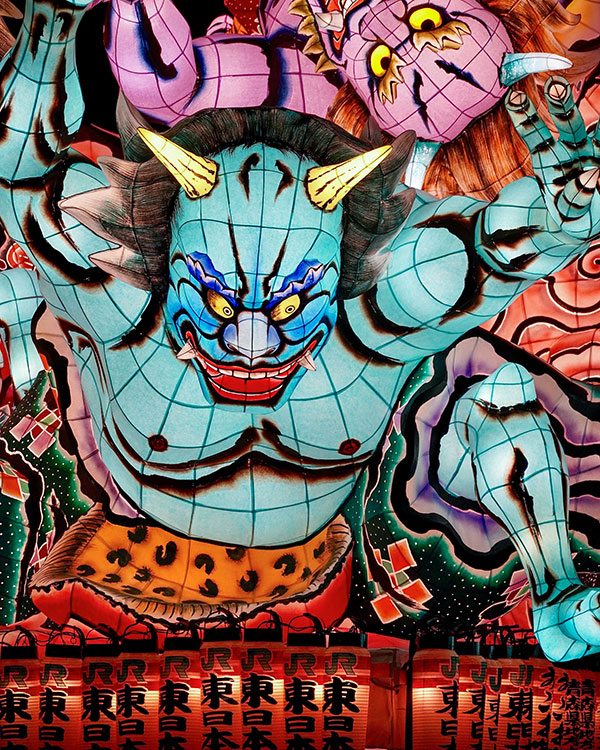
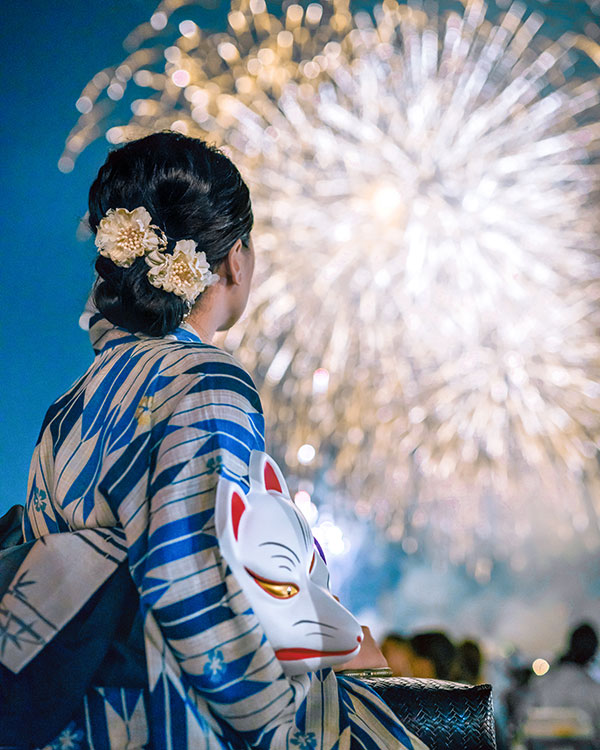
Famous festivals include
- Gion Matsuri
- Kyoto‘s biggest annual event originally meant to appease the gods during an epidemic
- Occurs every year throughout the month of July
- There are two main parades: one on the 17th and another on the 24th. (These are called Yamaboko Junko.)
- Tenjin Matsuri
- One of the most symbolic water and light festivals in Osaka
- Takes place on July 24th and July 25th each year
- Aomori Nebuta Matsuri (pictured above on the left)
- A summer festival in Aomori featuring large lantern floats
- Runs yearly from August 2nd to August 7th
And if you’re chasing highs, bear in mind that summer (i.e. early July to mid-September) is the only time of the year in which you can safely climb Mt. Fuji. (Off-season weather obviously isn’t ideal and can be super dangerous.)
4. Winter Sports & More
For anyone who loves skiing or snowboarding, winter is the best time of the year to visit Japan.
From the powdery slopes of Hokkaido to the scenic mountains of Nagano, Japan offers some of the fluffiest japow (Japan powder) you’ll ever ride.
Note: Mid-January to late February has the best snow conditions. Be prepared for busier slopes during this peak season.
But if you don’t care for skiing or snowboarding, this is a great time for city travel and a cheap time to visit Japan as well. Particularly in the months of January and February* when it’s colder, the crowds are thin, and sightseeing feels much more relaxed.
*Japan has gained popularity in recent years thanks to social media. (As if it wasn’t already a travel hotspot.) That said, my Tokyo visit in Feburary 2023 was a more hectic one. The Golden Triangle will always be busy, though. If you truly wish to avoid tourists, opt for an off-the-beaten-path destination.

Or, if you want to admire Mt. Fuji up close without the grueling hike, this national treasure is most visible from November to February when the weather is dry and the skies are clear.
Tip: You might enjoy these hotels with Mount Fuji views.
Worst Times to Go to Japan
1. Golden Week
I think I speak for the majority of us when I say crowds. Are. THE. Worst.
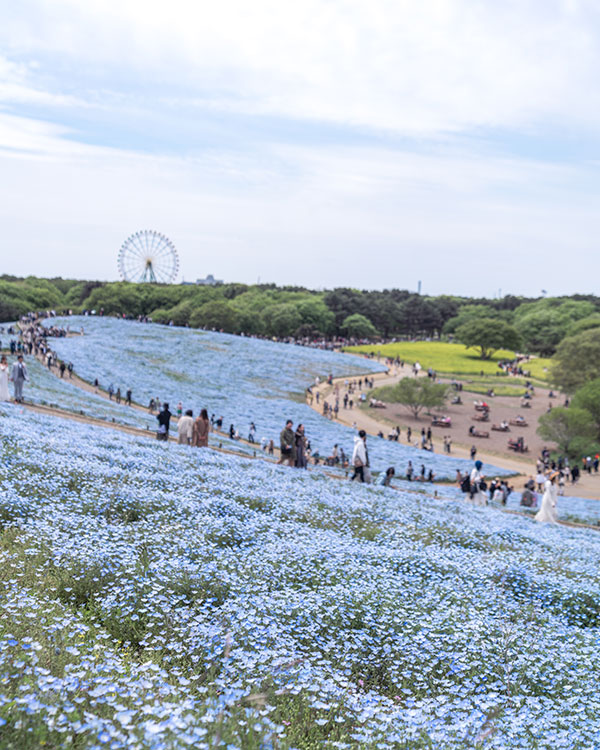
Golden Week is a series of public holidays that generally fall between April 29th and May 5th.
Not only will you be fighting for elbow room with tourists from all over the world, locals are out making the most of their vacations. If you prefer peace and quiet, avoid visiting during this time!
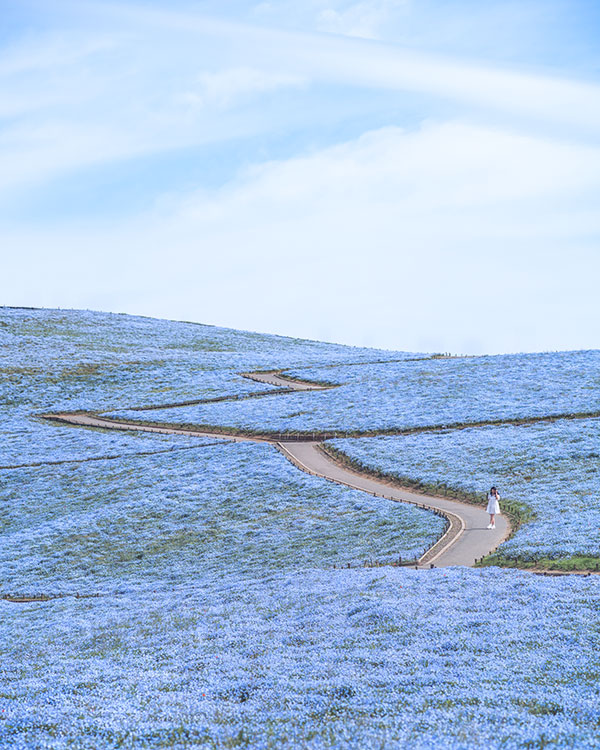
Note: For those willing to brave the crowds, Golden Week is actually one of the best periods to go to Japan to see the beautiful nemophila fields at Hitachi Seaside Park (pictured above) and the gorgeous wisteria at Ashikaga Flower Park.
2. Rainy Season
Tsuyu (also pronounced as “baiu”) means “plum rain.” This wet period tends to run from early June to mid-July.
Frequent showers and high humidity can cause extreme discomfort. Not to mention, a lot of outdoor attractions lose their charm under gray skies. However, if you love to cafe hop and indulge in retail therapy, this is a wonderful time to enjoy Japan at a slower pace 😉
Pin for later!

Thanks for joining me in today’s guide! Hope my tips and firsthand perspective give you a better idea of when the best time to visit Japan is.
I know it’s hard to plan a vacation around a busy work schedule and to have to take all of these different factors into account. The country is honestly just magical. I’m sure you’ll have a fabulous time no matter when you go, as long as you manage your expectations.
Book Your Japan Trip Today
Other Helpful Japan Guides


About Jas
Hi, I’m Jasmine, a full-time travel blogger based in Vancouver, helping you make the most of your vacation days. I’ve visited Japan 10+ times across different seasons. To say I’m obsessed is an understatement. Have questions about your trip? Ask away in the comments!